
TL;DR
Pre-framing means preparing prospects before sales calls so they show up ready to buy.
The 3 methods:
1. Context-Setting Email (24 hours before) – Send agenda, one question to consider, and clear expectations
2. Case Study Email (18-24 hours before) – Share a success story matching their situation with specific results
3. Pre-Frame Video (12-24 hours before) – Record a 2-3 minute personalized video building connection
Avoid these mistakes: Sending too much info, being too salesy, bad timing, generic templates, and unclear expectations.
Table of Contents
Introduction
Did you know that 82% of B2B decision-makers find sales representatives unprepared for calls (source)?
I used to think sales calls were all about what happened during the conversation. Boy, was I wrong! After seeing enough discovery calls where prospects seemed confused, unprepared, or completely cold, it became clear: the real work happens before you ever jump on that Zoom link.
Pre-framing your clients isn’t some fancy sales tactic. It’s basically setting the stage so your prospects show up ready, excited, and already halfway convinced. Think of it like warming up before a workout. You wouldn’t sprint without stretching, right? Same thing here.
In this guide, you’ll discover the three specific pre-framing methods that can transform sales call outcomes. And no, you don’t need expensive software or some complicated sales funnel. Just a few strategic touchpoints that prime your prospects to say “yes” before you even start talking.
What Does It Mean to Pre-Frame Clients (And Why It Changes Everything)
Okay, so pre-framing is basically getting your prospects in the right headspace before your sales call even starts. It’s like setting the table before dinner – you wouldn’t serve a fancy meal on a dirty counter, right?
Here’s the thing about pre-framing: it’s not just sending a calendar invite and calling it a day. It’s about getting your prospect excited, prepared, and in the right mindset before you even say hello.
The cool thing is, when you do this right, you’re tapping into something called the “priming effect.” Basically, people make decisions based on what they’ve recently seen or read. So if your prospect reads about successful client results 12 hours before the call, guess what they’re thinking about when they hop on Zoom?
Research shows that sales training and proper preparation improves conversion rates by 38%. That’s a massive difference just from doing some groundwork before your actual conversation!
Most coaches struggle with this at first. They’ll close maybe 2 out of 10 sales calls because prospects show up cold and confused. They have no idea what to even discuss.
The difference between pre-framing and regular follow-up emails is simple. A follow-up email confirms logistics. A pre-frame email shapes expectations, builds excitement, and removes objections before you even start talking.
If you’re struggling with conversions, you might want to check out why your funnel is not converting – sometimes the issue starts way before the sales call..
Common Mistakes When Pre-Framing Clients
Let me tell you about the mistakes coaches make all the time when trying to pre-frame their sales calls.
Mistake #1: Sending Too Much Information
This is the biggest screw-up beginners make. They’ll send these massive emails with like seven attachments, three case studies, a pricing breakdown, and a 15-minute video.
Prospects get overwhelmed before the call even starts!
Here’s what actually happens – they skim it, feel stressed, and show up mentally exhausted. Or worse, they don’t show up at all.
The fix? Keep it simple. One email with one clear purpose. One case study that matches their situation. One short video (2-3 minutes max).
Mistake #2: Being Too Salesy
Nobody wants to feel like they’re being sold to before the sales call even starts.
Your pre-frame content should educate and inspire – not pitch. Save the actual selling for when you’re face-to-face.
Here’s what could happen: if you send prospects an email that lists your prices before the call, your show-up rate could drop significantly. Yikes!
Mistake #3: Bad Timing
Some coaches send emails three days before calls, and honestly, people forget about them by the time the appointment rolls around.
But sending it two hours before? That’s too last-minute.
The sweet spot is 18-24 hours before your scheduled call. This gives them enough time to actually read your content, but it’s recent enough that it’s fresh in their mind.
Mistake #4: Using Generic Templates
If your pre-frame email could be sent to literally anyone, you’re doing it wrong.
Generic emails get generic results. The smart approach is spending an extra 3-5 minutes personalizing each email. Reference something specific from the initial conversation or mention their exact business challenge.
Mistake #5: Not Setting Clear Expectations
Prospects often show up to calls completely unprepared because nobody told them what to expect.
They’ll be multitasking and haven’t thought about their goals. Not exactly the vibe you want when trying to close a package!
Your pre-frame materials should clearly outline: what you’ll cover, how long it’ll take, what they should think about beforehand, and what outcome they can expect.
Understanding your coaching funnel stages can really help you know when to pre-frame at each touchpoint.
Method #1 – The “Context-Setting” Email 24 Hours Before

This is hands down the easiest pre-framing method to implement.
It’s a strategic email you send exactly 24 hours before the scheduled sales call that sets the entire context for the conversation.
Here’s why 24 hours is magic: it’s recent enough that prospects will remember reading it, but early enough that they’re not rushed when they receive it.
Your context-setting email needs these five things:
- A warm reminder about the call with the date and time spelled out clearly.
- A simple agenda for what you’ll discuss. Just 2-3 things you’ll cover together. This helps prospects mentally prepare.
- One specific question for them to think about beforehand. A great one is: “What would success look like for you 90 days from now?”
- What they should have ready during the call. Maybe it’s access to their current funnel or their revenue goals.
- Remind them of the expected outcome. Will you be presenting them with a custom strategy? Set that expectation clearly.
Here’s a template that works incredibly well:
Subject: Quick prep for our call tomorrow at [TIME]
Hey [Name]!
Looking forward to our conversation tomorrow at [TIME] [TIMEZONE]. I’ve got 45 minutes blocked off just for you.
Here’s what we’ll cover:
- Your current sales situation and what’s working (or not)
- The exact gaps keeping you from [their goal]
- My specific recommendations for your business
One thing to think about: What would success look like for you 3 months from now?
If you have access to your current funnel stats, feel free to have that pulled up. Not required, but helpful!
See you tomorrow!
The beauty of this email? It’s not pushy. You’re just being organized and helpful.
When this email is done right, prospects show up more engaged. They’ve actually thought about their goals, and the conversations flow so much smoother.
For more on setting up your sales funnels for business coaches, there’s a complete breakdown available.
Method #2 – Send a Pre-Call Case Study

This method is absolute gold. Sending a relevant case study before your sales call does half your selling for you.
Why? Because prospects show up already seeing themselves in someone else’s success story.
Here’s the thing: case studies need to be super specific to your prospect’s situation. Sending a random success story about a health coach when you’re talking to a business consultant? That’s not gonna work.
Coaches who implement this strategy notice prospects hop on calls and immediately say things like “I read about what you did for Sarah, and that’s exactly what I need!”
Here’s how to choose the right case study:
Match their industry if possible. If you’re talking to a therapist, send them a case study about another therapist.
If you can’t match industry, match the problem. Someone struggling with low email open rates? Send a case study about improving email engagement.
Match their business size. A prospect making $5K/month won’t relate to a case study about someone making $500K/month.
What makes a good case study?
Keep it short – like 300-400 words max. Nobody’s reading a five-page document before a sales call.
Include specific results with actual numbers. “Helped increase conversions” is weak. “Their conversion rate jumped from 2.1% to 8.3% in two weeks” – that’s what gets people excited.
Make it scannable. Use short paragraphs and bold the result numbers.
Here’s a simple template:
Subject: Quick story before our call tomorrow
Hey [Name],
Before we chat tomorrow, wanted to share a quick success story.
[Client name] came to me struggling with [their problem]. Sound familiar?
Here’s what was done: [1-2 sentences about the solution]
The results: [Specific numbers and improvements]
Something similar could work for your business. Excited to explore that tomorrow!
The psychology here is huge. When prospects read about someone like them succeeding, they start believing it’s possible for them too.
Coaches who implement this see real improvements in their close rates. Same offer, same pricing – the only difference is adding this case study before each call.
If you want to understand more about what makes funnels work psychologically, read the post on funnel psychology secrets for coaches.
Method #3 – The Pre-Frame Video

Sending a short personalized video before your call is a game-changer.
Video creates connection in a way that text just can’t. When prospects see your face and hear your voice before the call, there’s already trust built.
Here’s what to cover in a 2-3 minute video:
Start with a warm greeting using their name. Remind them about your upcoming call. Share one thing you’re excited to discuss based on the previous conversation. Set a clear expectation for what you’ll cover.
That’s it! Don’t make it complicated.
Tools you can use:
Loom is a favorite – it’s free and super easy. Vidyard is great if you want more analytics. Even a simple iPhone video works perfectly.
For those camera-shy folks (totally understandable!), start with screen recordings. Record your screen while walking through something relevant to their business. You don’t even need to show your face at first.
The conversion rate difference with video is noticeable. Prospects who watch pre-frame videos tend to close at higher rates than those who don’t, simply because video builds trust and connection before you even start talking.
When you’re building out your entire business coaching funnel, these pre-frame videos work at multiple stages.
Ready to Transform Your Sales Call Conversions?
Pre-framing is just one piece of building a high-converting sales funnel. If you want the complete picture of what makes funnels actually work, there’s something for you.
Download The Free Guide
: 7 Steps To Improving Your Funnel Performance In Minutes
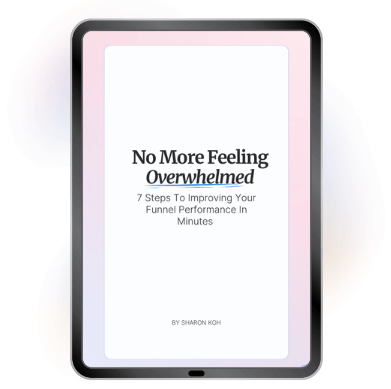
Inside, you’ll discover:
- The exact bottlenecks killing your conversions (and how to fix them fast)
- A proven framework for getting more qualified leads on sales calls
- Simple tweaks that can boost your conversion rate by 30-50%
- Real examples from coaching funnels that actually work
This is the same framework used with done-for-you funnel clients who are seeing significant improvements in their sales numbers.
Want more help with your funnel? Check out the post on coaching funnel secrets or learn about a free 30-minute coaching funnel audit where you can see exactly what’s not working in your current setup.
FAQ
When is the best time to send pre-frame materials?
The sweet spot is 18-24 hours before your call. This gives prospects enough time to read and absorb your content without forgetting about it. Different timeframes have been tested, and this window consistently gets the best results.
What if my prospect doesn’t open my pre-frame email?
Send a quick follow-up text or message 4-6 hours before the call. Something like “Hey! Did you get my email? Excited to chat at 2pm!” This gives them a gentle reminder and another chance to check it out.
Should I pre-frame for discovery calls or only paid consultations?
Pre-frame for ALL sales calls, even free discovery calls. Actually, especially for free calls! Since there’s no money invested yet, prospects are more likely to no-show or come unprepared. Pre-framing increases show-up rates dramatically.
Can I automate pre-framing with my CRM or scheduling tool?
Yes! Tools like GoHighLevel and Systeme.io let you set up automated email sequences that trigger when someone books a call. Just make sure you still personalize the key parts – don’t make it feel robotic.
What if I don’t have case studies yet?
Use testimonials, small wins, or even hypothetical scenarios based on your expertise. You can say “Here’s what could work in your situation” and walk through a strategy. As you get clients, document everything so you can build real case studies.
How many pre-frame touchpoints is too many?
Stick to 2-3 maximum. One context-setting email, one case study or video, and maybe one quick reminder. More than that and you risk annoying people or making them feel overwhelmed.
Does pre-framing work for in-person sales meetings too?
Absolutely! The principles are exactly the same. Send your materials 24 hours before, set clear expectations, and share a relevant success story. The only difference is you might mention the physical location in your reminder.