
TL;DR
Social proof in coaching funnels like testimonials can increase sales by up to 58% (Growbo)
Method #1 – Put Testimonials in the Right Places
Method #2 – Show Real Client Results
Method #3 – Use Social Media Proof (The Right Way)
Use strategic testimonial placement, showcase real client results, and leverage social media proof.
Table of Contents
Introduction
Here’s a crazy stat: 92% of consumers trust recommendations from people they know over other forms of advertising, according to Nielsen.
That’s huge when you think about it.
Your potential coaching clients are skeptical. They’ve seen too many empty promises. Too many “life-changing transformations” that never happened.
They’re not just buying your coaching program. They’re taking a leap of faith with their time, money, and dreams.
And social proof? It’s the safety net that makes that leap feel less scary.
Social proof includes things like testimonials, client results, and reviews. When used right, it can increase sales by as much as 58% Growbo.
But most coaches either skip it completely or use it the wrong way.
In this guide, I’m sharing three proven ways to use social proof in your sales funnel for coaches. These strategies help turn hesitant visitors into buyers.
Method #1 – Put Testimonials in the Right Places

Here’s a mistake lots of coaches make with testimonials.
They get amazing feedback from happy clients. Then they stick it all at the bottom of their sales page in one big chunk.
Nobody scrolls down that far…
Here’s the thing about testimonials. Where you put them matters more than what they say.
You could have the world’s best testimonials. But if people don’t see them? They won’t help you.
The secret: Put testimonials right where people have doubts.
Someone’s reading your landing page. They’re thinking “yeah but does this actually work?”
That’s exactly where a testimonial needs to be. Right there in that moment!
Try this. Put one strong testimonial right below your headline. Just one!
Don’t pile on five or ten. One powerful statement from someone who got real results.
Then add testimonials near your pricing. That’s where people start to hesitate.
Research shows that testimonials near checkout buttons can boost sales by 58% Growbo.
For your email sequences? Drop in mini-testimonials every 2-3 emails.
But keep it natural. Don’t force it, otherwise it will look salesy.
What makes a testimonial actually work?
Three simple things:
- What problem they had
- What changed for them
- Real specifics (numbers, timeframes, facts)
Bad testimonial: “This course was great!”
Good testimonial: “I was getting 1 inquiry per month. Now I’m booked 3 months out and raised my prices.”
Big difference, right?
Video testimonials work even better.
Written ones work fine. Just get specific details and use a real photo.
Oh, and stock photos with testimonials? They scream “fake” to anyone looking (source).
No client photo? Use initials or first name or icons. Way better than a random stock image.
Want to know more about where doubts pop up? Check out funnel psychology to learn exactly where to place testimonials.
Method #2 – Show Real Client Results

Here’s something that can trip coaches up.
“This coaching changed my life!” sounds nice. But it doesn’t tell anyone much. Changed it how? What actually happened?
The thing is, people need specifics to believe it’s real.
Ask better questions when collecting results:
- What were you struggling with before?
- What specific result did you get?
- How long did it take?
- Can you put a number on it?
The mini-case study format works really well.
Not those long 3-page academic case studies. Just 3-5 sentences that tell a quick story.
Here’s a simple formula: “[Client name], a [their job], was struggling with [specific problem]. After [timeframe], they [specific result]. Now they [current state].”
Example: “Michelle, a relationship coach, couldn’t fill her group program. After rebuilding her funnel with targeted social proof, she enrolled 12 clients in her next launch. Now she runs the program quarterly and has a waitlist.”
See how that works? It’s specific, believable, and speaks to real concerns people have.
Numbers help a lot in social proof. Even small ones!
“Increased my email list by 47 subscribers” feels more real than “grew my business exponentially.”
For your email sequences, you can drop these mini case studies right after explaining something.
Like “Here’s how to optimize your checkout page… When one coach tried this, their cart abandonment dropped from 68% to 41% in two weeks.”
It shows the concept actually works.
Always get permission before sharing client results. A simple email works: “Hey! Your results were amazing. Mind if I share them on my website?”
Most people are happy to help.
One more thing – avoid testimonials that sound too stiff or formal.
If someone sends something that sounds like a business report, gently ask if they could rewrite it more casually. Like they’re telling a friend.
If you’re wondering why your funnel isn’t converting, missing specific social proof could be part of the issue.
Method #3 – Use Social Media Proof (The Right Way)

This one takes a bit more finesse. Done wrong, it can feel pushy or fake.
But done right? It’s really powerful.
Instagram and Facebook can be great sources of authentic social proof.
When a client tags you celebrating a win, save that screenshot! Keep these in a folder. Then you can use them in your sales materials.
What’s nice about social media proof is it feels spontaneous and genuine.
Nobody asked them to post. They were just excited and wanted to share.
Here’s what to avoid:
Those fake “127 people are viewing this right now” counters? Skip them unless they’re actually real.
Fake social proof destroys trust. In fact, 54% of customers say they’d never buy from you if they suspected fake reviews (source).
What actually works? Real numbers when you have them.
“Join 37 coaches who’ve taken this training” is simple and honest. Just remember to keep it current!
LinkedIn recommendations work really well for coaches. They’re harder to fake and feel more professional.
Having a few solid LinkedIn recommendations on your about page can make a big difference, especially with corporate clients.
Authority badges count as social proof too – certifications, training programs, media features.
Just don’t overwhelm people with too many.
Pick your top 2-3 credentials to feature prominently. Put the rest on a separate page.
Here’s a simple tactic: webinar replay numbers.
“17 coaches have watched this training” shows your content is popular without being pushy about it.
Just keep those numbers updated – outdated social proof can actually hurt your credibility LinkedIn.
Want to understand coaching funnel stages and where social proof works best at each stage? That guide breaks it down.
Common Mistakes to Avoid
Let’s talk about what not to do.
Mistake #1: Fake testimonials
Fake or misleading testimonials will absolutely tank your credibility (source).
I know it’s tempting when you’re starting out and don’t have much proof yet. But don’t do it!
People are way smarter than we think. They can spot stock photos, AI-generated reviews, and vague generic praise from a mile away.
Using stock images or generic names makes people think you’re not being honest (source).
I’d rather see you use one real testimonial from your beta client than five fake ones.
Mistake #2: Too much social proof
Yes, you can actually have too much!
Some coaches put 30+ testimonials on their sales page thinking more is better.
But people get overwhelmed and leave. Using 5-7 strategically placed testimonials usually works better.
Displaying testimonials that all say the same thing becomes boring and can actually annoy people (source).
Mix it up – have some about results, some about your process, some about overcoming specific fears.
Mistake #3: Wrong placement
Don’t slam people with testimonials before they even know what you’re selling!
Build interest first. Then use social proof to overcome doubts and build trust.
Placing testimonials in low-traffic areas like footers means visitors never see them.
Put them where eyes actually go – above the fold, near your buttons, in your email subject lines.
If you’re struggling with funnel bottlenecks, poor social proof placement might be one of them.
Mistake #4: Negative social proof
This is a trap many businesses fall into without realizing it (source).
Like saying “Only 5% of people donate” when you mean to encourage donations. You just told everyone that 95% don’t care enough!
For coaches, this sounds like “Most coaches never make six figures” when you’re trying to position yourself as different.
All you did was reinforce a negative belief!
Mistake #5: No permission
Always get permission from clients before using their testimonials or results.
It’s respectful and builds better relationships (source).
I send a quick email or text – takes 30 seconds.
Learn more coaching funnel secrets to avoid these common pitfalls.
Key Takeaways
Social proof isn’t just a “nice to have” in your coaching funnel.
It’s the bridge between “this sounds interesting” and “take my money!”
The three methods we covered today work together. They create a web of trust that surrounds your prospects at every stage.
Start small if you need to.
Pick one method from this guide and do it this week. Maybe reach out to three past clients for testimonials. Or create a mini case study from your best transformation.
The perfect funnel doesn’t exist. But a funnel with real social proof will always beat one without it.
Your potential clients aren’t just buying your coaching. They’re buying the belief that what worked for others can work for them too.
Remember: be real, be strategic with placement, and for the love of all things holy, don’t use stock photos or fake numbers.
Real beats perfect every single time.
Ready to Fix Your Funnel?
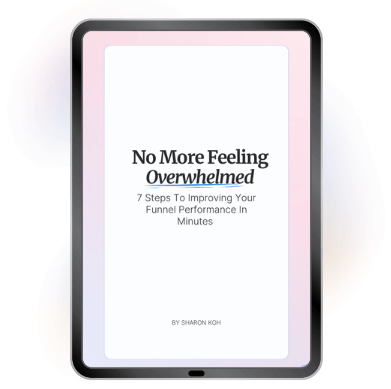
Grab my free guide: 7 Steps To Improving Your Funnel Performance In Minutes.
FAQ
What is social proof in a coaching funnel?
Social proof in a coaching funnel includes testimonials, client results, case studies, reviews, and social media mentions that show potential clients that others have succeeded with your coaching. It builds trust and credibility by proving your coaching works through real examples from actual clients.
Where should I place testimonials in my coaching funnel?
Place testimonials at key objection points: one strong testimonial below your headline, testimonials near your pricing section where people hesitate, and mini-testimonials throughout your email sequences. Studies show testimonials near checkout buttons can increase sales by 58%.
How do I collect client testimonials when I’m just starting out?
Start by asking beta clients or early adopters for feedback in exchange for discounted or free coaching. Ask specific questions like “What were you struggling with before?” and “What specific result did you get?” You can also use results from your previous career as transitional social proof until you build more client success stories.
How many testimonials should I put on my sales page?
Use 5-7 strategically placed testimonials rather than overwhelming visitors with 20+. Quality and placement matter more than quantity. Mix different types – some about results, some about your process, and some addressing specific objections or fears.
What makes a good coaching testimonial?
A good testimonial includes three elements: the specific problem the client had before, the transformation they experienced, and concrete details (numbers, timeframes, facts). For example: “Before this program, I got 1 client inquiry per month. Now I’m booked 3 months out and raised my prices.”
Should I use video or written testimonials?
Both work well. Video testimonials convert effectively but are harder to collect. Written testimonials with specific details and real photos work just fine, especially when starting out. Choose based on what’s easiest for you to collect consistently.
Can I use social media posts as social proof?
Yes! Screenshots of client tags, mentions, and celebration posts make excellent social proof because they feel spontaneous and authentic. Save these in a folder and use them throughout your sales materials, website, and email sequences.